

IMEX's 96,000 Scheduled Meetings Put the Follow-Up Under Scrutiny
IMEX America reported 96,000 scheduled meetings at its 2026 show, a substantial amount of commercial intent compressed into three days. In its closing release on 15 October, the organiser said the total comprised 82,000 one-to-one appointments and 14,000 group booth presentations. These are organiser-reported scheduling figures, not evidence that every appointment took place or produced a sale.
The distinction becomes useful when an exhibitor returns home. A diary full of meetings can demonstrate demand for conversation while leaving the business uncertain about which conversations deserve its next hour.
The Q Branch Take
Exhibition performance is often judged at the point when the evidence is least complete. The stand was busy, the appointments were booked and the team met interesting people. Those observations are valuable, but a commercial event also needs a method for turning interest into a sensible next decision.
The failure can begin before the show. If every appointment receives the same preparation and every contact receives the same follow-up, the business has treated the meeting slot as the unit of value. The more useful unit is the change achieved in a relationship: a clearer requirement, access to the right decision-maker, an agreed proposal or a reason to stop pursuing the opportunity.
Consider two hypothetical conversations. One visitor requests a brochure while exploring a market they may enter next year. Another explains an immediate operational problem and asks to involve a colleague next Tuesday. Sending both the same introductory email produces tidy administration while ignoring the substance of the meetings.
Make the next step part of the appointment
Before the show, define what the team should establish without turning every conversation into an interrogation. A useful record includes the visitor's problem, the reason for discussing it now, the relevant people and any next action actually agreed. The visitor should recognise that record if it were read back to them.
Leave time after appointments to complete it. A schedule that removes every gap may increase the apparent productivity of the stand while making later follow-up less accurate. Leaders should judge that trade-off explicitly instead of expecting memory to repair it during the journey home.
The first review after an exhibition should separate agreed actions from general interest. Allocate an owner to each action, confirm the promised date and identify where the team needs help. Do not reward a rapid generic message more highly than a slightly later response that answers the customer's actual question.
A subsequent review can examine movement: which relationships advanced, which stalled and what the event taught the business about demand. Revenue may take longer to emerge, so avoid forcing an immediate return calculation that gives false precision. Equally, do not allow a long sales cycle to become a permanent excuse for having no evidence.
IMEX's scale underlines the opportunity available when people meet. For individual exhibitors, the management task is to preserve the meaning of those meetings after the exhibition hall empties. A commercial alignment conversation with Q Branch can examine where that meaning is lost between the event team and the people responsible for the next step.
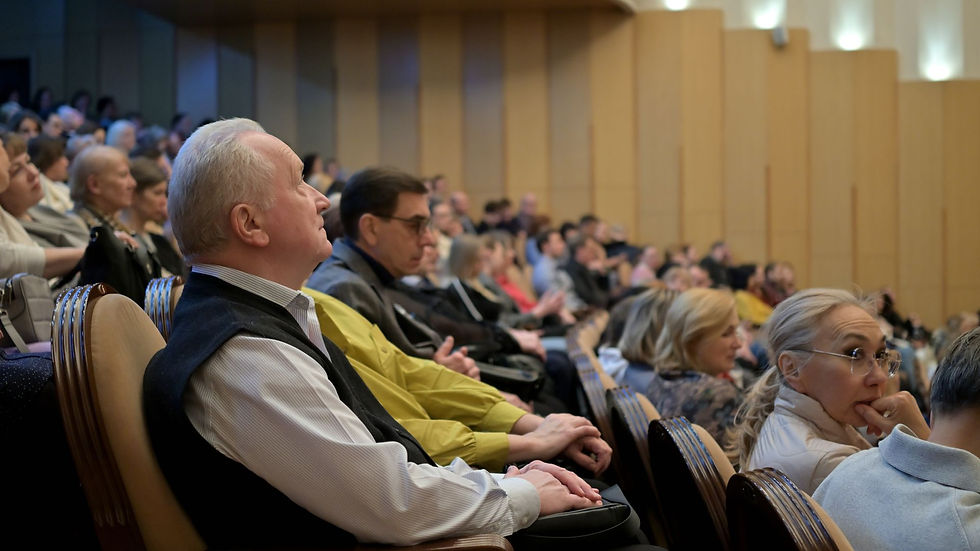
Featured photograph: licensed illustrative stock photography from Pexels; it does not depict the named business or announced project.



Comments