

Buxton's Education Award Points to the Value of a Longer Relationship
Buxton Opera House has received the UK Theatre Award for Excellence in Arts Education for its Connecting for Creativity project. British Theatre Guide reported the award on 16 October. The project brought school pupils and care-home residents together over several months, working with freelance practitioners on stories that were later performed at the Pavilion Arts Centre.
The reported format is significant: the public performance followed a sustained process of participation. It was one expression of the relationship, rather than the whole of it.
The Q Branch Take
Experience businesses often evaluate community activity through the visible event. Attendance is counted, photographs are taken and a final performance provides a clear moment to communicate. The work that made participation possible can be harder to describe and easier to underestimate.
For a venue, that creates a strategic choice. Community engagement can be treated as a separate programme that occasionally produces content for the main brand, or as a way of developing the organisation's relationship with people who may experience the venue differently from established audiences.
The second approach demands continuity. Participants need to understand what they are joining, who will support them and how their contribution will be treated. Partner organisations need clear responsibilities. Practitioners need sufficient preparation to work with the people involved. Those are operational commitments, not decorative additions to the creative idea.
Budget for the relationship before the showcase
A leader considering a similar programme should identify the work required between public milestones. Planning, coordination, communication and reflection can be essential even when they produce little material for a promotional campaign. If that work depends on goodwill outside the budget, the apparent cost of the programme is misleading.
Agree the purpose with partners rather than imposing a single institutional definition of success. A school, a care setting and a theatre may value different aspects of participation. The programme needs a shared direction that respects those differences, with appropriate specialist support where individual needs require it.
Evaluation should remain proportionate to the evidence. Participation and participant feedback can tell the organisation something useful. They should not be converted into unsupported claims about long-term wellbeing, educational attainment or community transformation. A credible account of what happened is more valuable than a large promise the programme cannot substantiate.
The final event also deserves careful design. People who helped create the work should understand how it will be presented and what will happen afterwards. An organisation can celebrate a project publicly while leaving participants uncertain about whether their relationship with it has ended.
Buxton's recognition provides a timely reason to examine the infrastructure behind community-facing experiences. It does not establish that every organisation should copy the same format. The useful question is whether the business has designed and resourced the relationship it wants to claim.
Q Branch's brand and operational alignment work connects purpose with the practical commitments that make it believable. A meaningful community promise should be recognisable in the months of work surrounding the event, as well as in the applause at its conclusion.
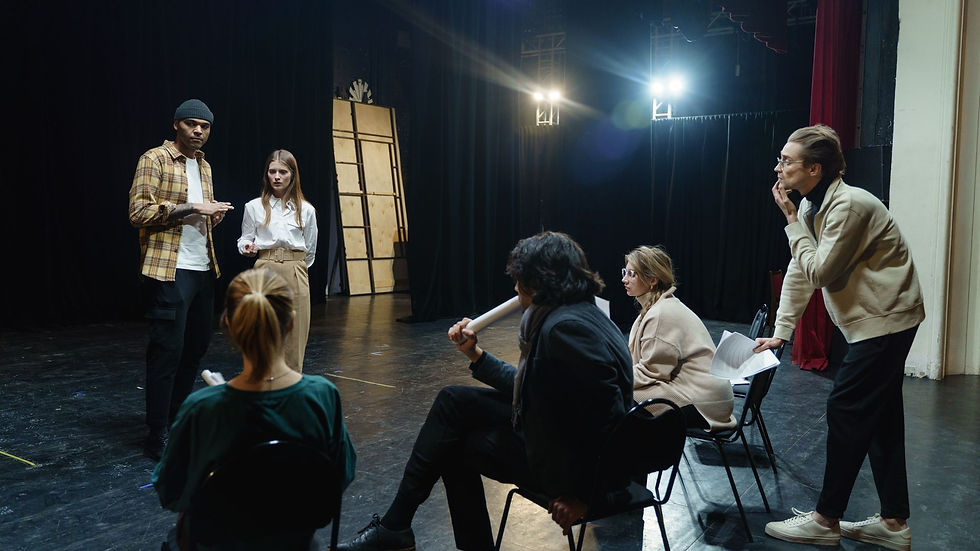
Featured photograph: licensed illustrative stock photography from Pexels; it does not depict the named business or announced project.



Comments