

Nottingham Playhouse's Amplify Programme Makes Development Visible
Nottingham Playhouse is bringing three Amplify-supported shows to its Neville Studio on 23 October. British Theatre Guide reported the programme on 14 October, describing Amplify as being in its eighth year with more than 1,200 members. The programme includes Lido: A Love Story and a double bill of works in progress.
Presenting developing work to an audience creates a different proposition from presenting a finished production. That difference needs to be understood by everyone taking part.
The Q Branch Take
Development programmes become more credible when participants can see a route from preparation to meaningful practice. A workshop can introduce an idea, but an opportunity to use it in front of other people introduces decisions, consequences and feedback that the classroom cannot fully reproduce.
The principle extends beyond theatre. Leadership development, customer-service training and internal innovation programmes all face a similar question: where will participants apply what they are learning, and what support will surround that attempt?
Without a practical route, development can become an attractive activity disconnected from the organisation's work. Participants leave with encouragement and then return to an environment that gives them no space to try anything differently. The programme may be well delivered while the wider system prevents it from producing value.
Set an honest contract with the audience
Work in progress can be compelling when people know what they are being invited to experience. The audience may enjoy the opportunity to encounter an emerging idea, but they should not have to discover its developmental status by feeling that something is unfinished.
That requires clear communication about the format and the kind of participation, if any, being requested. Feedback should serve the work and the people making it. Asking an audience for reactions without deciding how those reactions will be interpreted can generate volume rather than useful direction.
For organisations applying the same principle internally, choose a real but bounded opportunity. A developing manager might lead a defined discussion with preparation and review, rather than being given an unsupported high-stakes assignment. The task should create genuine learning while recognising the responsibilities owed to everyone affected by it.
The supporting team also needs time to respond. An opportunity to perform followed by silence can leave a participant less clear about their progress than before. Agree when the review will happen, what evidence it will use and who will help translate it into a next step.
Nottingham's programme offers a concrete example of development being connected to a public platform. Its reported membership figure describes reach, not the quality of every individual outcome, and should be read accordingly. The more useful organisational lesson concerns the structure of opportunity.
Q Branch's People Development and team alignment work focuses on that connection between learning and application. A development programme earns its place when the organisation can explain where new capability will be used, how it will be supported and what participants will do with the feedback afterwards.
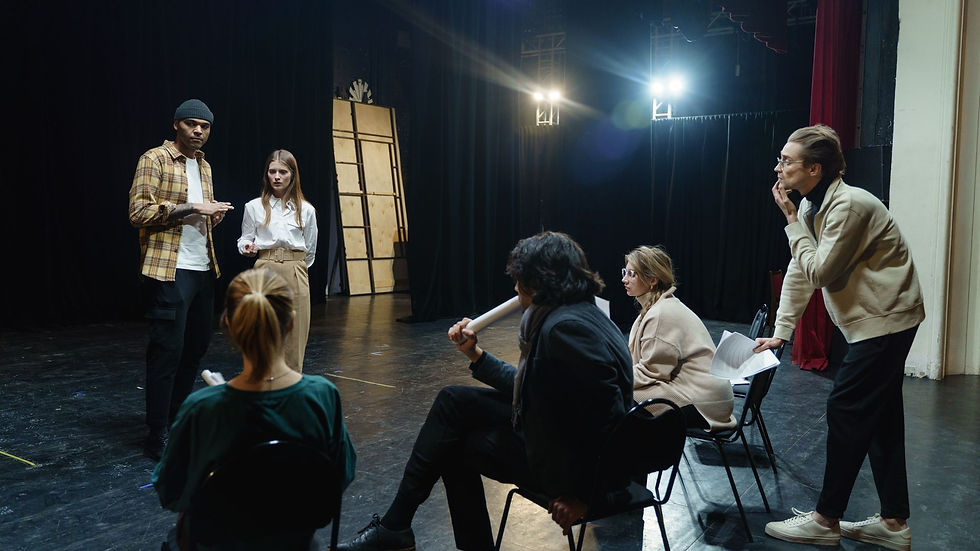
Featured photograph: licensed illustrative stock photography from Pexels; it does not depict the named business or announced project.



Comments